When the Underground Goes Overground: What Happens to Your Niche When the Whole World Shows Up
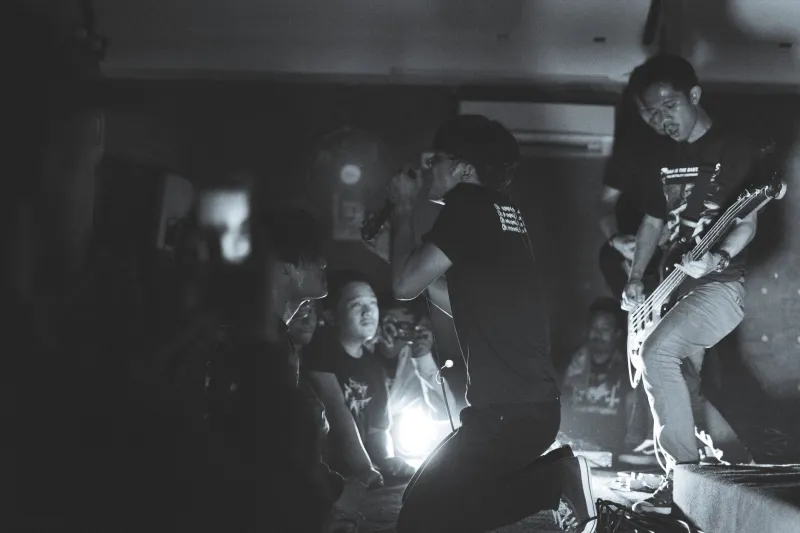
Picture this: you've been deep into a hobby for years. Maybe it's a hyper-specific card game, an obscure subgenre of ambient music, or a regional craft tradition most people have never heard of. You've got your Discord servers, your forum threads, your inside jokes. Then one Tuesday morning, a TikTok blows up. A Netflix documentary drops. A celebrity tweets about it. And suddenly, your quiet little corner of the internet has a million new visitors — and none of them know the unwritten rules.
This is what we're calling the Niche Paradox: the thing that made your community special was partly because nobody else cared. And now everybody cares. So what happens next?
The Moment Everything Changes
It doesn't always happen the same way, but the pattern is weirdly consistent. Something small and beloved gets a single high-visibility moment — a Reddit post that goes viral, a streamer who stumbles onto an indie game, a fashion magazine that "discovers" a style that's been alive in subcultures for decades. Within weeks, the community doubles. Then triples. The old-timers look around at the influx of newcomers and feel something they can't quite name. Pride? Irritation? Grief?
Usually, it's all three at once.
Take the indie tabletop RPG scene. For years, it was a genuinely niche corner of gaming culture — small publishers, zine-style rulebooks, communities built around mutual enthusiasm rather than marketing budgets. Then Dungeons & Dragons exploded in mainstream popularity, dragging the entire category into the spotlight. Suddenly, people who'd never rolled a d20 were flooding into hobby stores and online forums, eager but unfamiliar with the landscape that had existed long before them.
Veteran players had wildly different reactions. Some loved the energy. Others felt like their living room had been turned into a theme park.
Why Mainstream Attention Cuts Both Ways
Here's the honest truth: mainstream exposure isn't purely a villain in this story. More visibility often means more resources. Niche musicians get bigger venues. Indie game developers get funding. Artisans find customers who actually pay fair prices. Communities that were struggling to sustain themselves suddenly have the numbers to keep things alive.
But there's a real cost, and longtime enthusiasts feel it immediately.
When a niche interest scales fast, the shared context that made the community feel like home gets diluted. Inside references stop landing. Conversations that used to go deep get reset to basics over and over again. The vibe shifts from collaborative exploration to constant onboarding. And the newcomers — most of them perfectly well-meaning — often don't realize they've walked into something that had its own culture long before they arrived.
This is where the tension lives. It's not really about gatekeeping, even if it sometimes looks that way from the outside. It's about the very real experience of watching something intimate become something enormous, and not being sure what your role is anymore.
The Identity Question Nobody Talks About Enough
For a lot of people in niche communities, the hobby isn't just a hobby — it's a significant piece of who they are. Especially for folks who felt like outsiders in mainstream culture, finding a community of people who shared an unusual passion was genuinely life-changing. That sense of belonging is fragile in ways that are hard to explain to someone who found the thing through a trending hashtag.
When the mainstream arrives, it can feel like the identity scaffolding shifts. The thing that made you you — or at least, made you feel like you belonged somewhere — is now everyone's thing. And while intellectually you know that's not a bad thing, emotionally it can feel like a quiet loss.
Long-time members of niche communities often describe this as a kind of mourning. Not for the hobby itself, but for the specific texture of what it felt like before. The smallness. The shared fluency. The sense that everyone in the room had done the work to get there.
Strategies That Actually Help Communities Survive the Surge
The good news is that communities don't have to just absorb the wave and hope for the best. There are real, practical things that help preserve identity and depth even when audience size explodes.
Create tiered spaces. Keep some corners of the community specifically for longer-tenured members — not as a way to be exclusionary, but to protect the kinds of conversations that get crowded out when every thread has to start from scratch. Many healthy communities maintain a general space for newcomers and a separate space for people who've been around long enough to go deeper.
Document the culture, not just the content. Write down the history. Record the inside references. Build a genuine archive of how the community developed and what values shaped it. This gives newcomers a path to actually understanding what they've joined, rather than just participating on the surface.
Celebrate the old guard without weaponizing them. Longtime members have real value — their knowledge, their context, their institutional memory. But communities that turn this into a hierarchy tend to become toxic fast. The goal is to honor depth without using it as a cudgel.
Let the community evolve. This one's harder. Sometimes the mainstream version of your niche interest is genuinely different from what it was before, and that's okay. Communities change. The folk music revival of the early 2000s looked different from the 1960s version. The skateboarding culture that exists today isn't what it was in 1987. Change isn't betrayal — it's just time.
What Mainstream Exposure Actually Tells Us
Here's the reframe worth sitting with: when a niche interest goes mainstream, it's usually because it was genuinely good. The obscure music genre that blows up on TikTok got there because it was compelling. The indie game that lands on a major platform got there because it was well-crafted. Mainstream audiences aren't stupid — they respond to quality and authenticity, which is exactly what niche communities tend to produce when they're not performing for anyone.
That doesn't make the transition painless. But it does mean the communities that built these things have something real to be proud of, even when the spotlight feels disorienting.
The Niche Paradox is real: the qualities that make something worth loving are often the same qualities that eventually make it famous. The challenge for communities isn't to prevent that from happening — it's to figure out how to hold onto what mattered while making room for what's coming next.
And honestly? The communities that manage to do both are usually the most interesting ones to be part of.